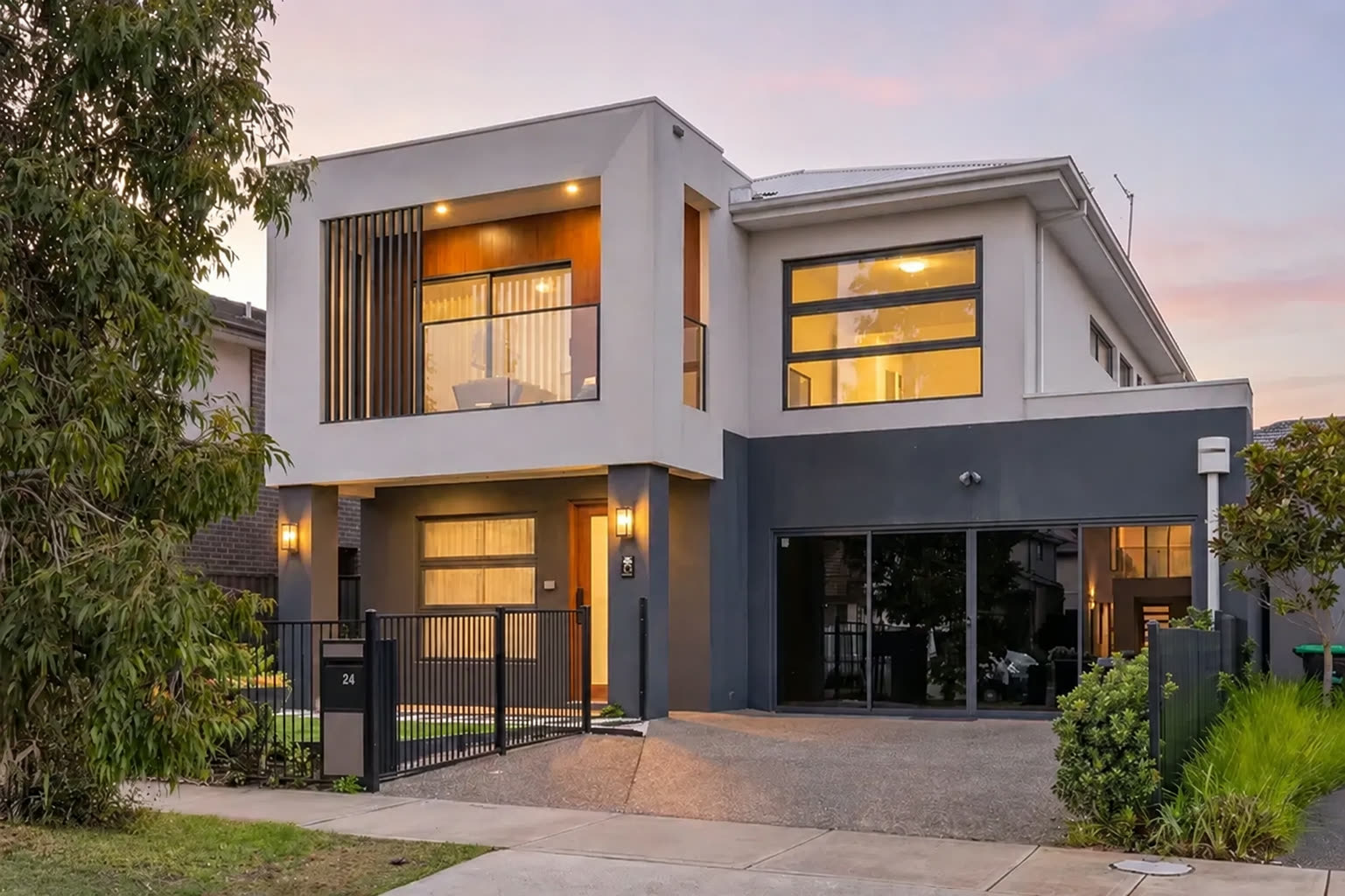
Victoria updated the Small Lot Housing Code in November 2024, and gave the industry two years to adjust. That transition runs out at the end of 2026. From 2027 the updated standards are the ones that apply.
The change came in under Amendment GC206, gazetted on 28 November 2024. The 2019 version of the Code is still live in the meantime, through transitional provisions written into the Urban Growth Zone schedules, which is why both versions are in circulation and why it is worth knowing which one your project is being assessed against.
First: does this apply to your land?
This is the part the headlines leave out, and it decides whether the rest of this page is relevant to you at all.
The Small Lot Housing Code is not a Melbourne-wide rule. It applies to residential and mixed-use Precinct Structure Plans in Melbourne’s Urban Growth Zone — the greenfield growth areas — and to special purpose zones in a defined list of councils:
- Cardinia, Casey, Hume, Melton, Mitchell, Whittlesea and Wyndham
- Greater Geelong, Ballarat, Baw Baw and Knox
And within those areas it is narrower still. Your certificate of title has to identify the allotment as one where a dwelling can be assessed against the Code, and the lot type — A, B or C — is nominated on the plan of subdivision before it is certified. It is not something you opt into later.
So if your block is in Glen Waverley, Essendon or Malvern East, none of this changes anything for you. If it is in Tarneit, Truganina, Mambourin or Greenvale, read on.
What the updated Code changes
Three things, in order of how much they matter.
A new Type C standard. The 2019 Code had Type A and Type B. The updated Code adds Type C, written for lots between roughly 75 and 150 square metres — down from the practical floor the earlier typologies allowed. The Government’s own framing is that homes can now be built on lots under 100 square metres without a planning permit where the standards are met. Type C allows greater use of the land than A or B while still setting requirements for what the street sees.
Type A and B have been revised. Some of those revisions can be absorbed without affecting a design that already complies. Some cannot — the Authority is explicit that certain modified standards may result in non-compliance for designs drawn to the old version. If you have a house type in production, that is the sentence to take seriously.
Better amenity standards under 300m². Larger balconies, more windows facing the street, and more room for trees and planting. Small changes individually; collectively they are an attempt to stop small-lot housing looking like small-lot housing.
The date that matters
The updated Code has been usable since it was gazetted — developers could start on the new standards immediately. What ends is the fallback: the 2019 Code stays in effect through to the end of 2026, and from 2027 the updated requirements are what applies where the Code applies.
The precise transitional wording sits in the Urban Growth Zone schedule of each planning scheme rather than in one state-wide line, so for a live project it is worth confirming against the scheme your site falls under rather than against a date in an article.
What it means for a project
If you are subdividing, the lot types you nominate now determine what can be built on each allotment for years afterwards. Getting Type C onto the plan where it suits the lot geometry is a decision made at subdivision stage, not at design stage.
If you are designing to a standard house type, the Type A and B revisions are the risk. A design that complied under the 2019 standards is not automatically compliant under the updated ones.
And if you are buying into a growth area estate, the lot type is already set. It is worth knowing which one before you commission a design around it.
The documents
The Code, the Practice Note and the Guidance Note are published by the Victorian Planning Authority. All three are the November 2024 versions.
Sources: Small Lot Housing Code 2, Victorian Planning Authority, and Smarter housing design on smaller lots, vic.gov.au. Checked 24 October 2026. The Code applies only in specified planning areas and to qualifying lots, and commencement and transition provisions sit in the relevant planning scheme. This is general information, not advice on a particular site.
Start here
Designing on a small lot?
Send us the address and the plan of subdivision. We will tell you which lot type applies, which version of the Code you are being assessed against, and what that allows — before anything is drawn.